

Castiron Plant (Aspidistra elatior)
Pronunciation: kas-tahy-ern plant
The resilient and versatile castiron plant gets its name from its ability to withstand even the harshest conditions. Whether you’re a seasoned gardener or just starting out, the castiron plant adds greenery and beauty to your indoor or outdoor space.
Castiron Plant Overview
Originating from Japan, the castiron plant (Aspidistra elatior) has a rich history. Its name, “castiron,” speaks to its durability as this plant can withstand neglect, low light, and fluctuating temperatures. It is a survivor and a favorite among busy gardeners or anyone who may not have the greenest of thumbs.
The castiron plant has gained popularity for its ability to thrive in most conditions. You’ll find it in tropical and subtropical regions, and it has become a beloved houseplant in many parts of the world. Its adaptability and low-maintenance nature make it a perfect choice for indoor and outdoor gardens.
In terms of size, the castiron plants typically reach a mature height of 2 to 3 feet (60 to 90 cm) and have a spread of about 2 to 3 feet (60 to 90 cm). They have glossy, dark green leaves that are long and lance-shaped, adding fullness to any space. Cast iron plants are slow-growing, so you can enjoy their beauty for many years.
Where to Put Castiron Plant: Indoors and Outdoors
The castiron plant is known for its ability to adapt to different environments, making it suitable indoors and outdoors.
When choosing a spot for your plant, keep in mind that it prefers temperatures between 60°F to 75°F (15°C to 24°C). It can tolerate slightly cooler or warmer temperatures but avoid extreme cold or heat. Additionally, this plant is not frost-tolerant, so if you live in a region with freezing temperatures, it’s best to keep it indoors during winter.
To ensure your castiron plant has healthy growth, provide it with well-draining soil and avoid overwatering. This plant is known for its ability to withstand drought, so it’s better to underwater than to overwater. Allow the top inch (2.5 cm) of soil to dry out between waterings, and provide good drainage to prevent root rot. Here are some tips on where to plant your castiron plant:
Indoors
The castiron plant is an excellent choice for low-light areas in your home. It can tolerate low levels of natural light, making it perfect for rooms with north-facing windows or areas away from direct sunlight. It can also thrive in artificial light conditions, such as offices or rooms with fluorescent lighting.
Outdoors
If you live in a climate with mild winters, you can also grow the castiron plant outdoors. It thrives in shaded or partially shaded areas, making it an ideal choice for under-tree canopies or garden beds with limited sunlight. It’s lovely as a ground cover or border plant in shady areas of your garden.
Pro Tip: If you’re growing it indoors, rotate it every few weeks to ensure even growth and prevent it from leaning towards the light source.
Castiron Plant Care: Watering, Fertilizing, and Essential Steps
Caring for castiron plants is simple – a great choice for busy gardeners or plant newbies. Here are the steps to keep your plant healthy and thriving:
- Watering: The castiron plant is drought-tolerant and prefers to be slightly underwatered than overwatered. Allow the soil’s top inch (2.5 cm) to dry out between waterings. When watering, thoroughly saturate the soil, but avoid letting the plant sit in standing water. Overwatering can lead to root rot, so provide good drainage.
- Light Requirements: While the castiron plant can tolerate low light conditions, it will thrive best in bright, indirect light. Place it near a north-facing window or in a spot with filtered light. Avoid placing it in direct sunlight, as this can scorch the leaves. If growing indoors, supplement with artificial light if needed.
- Temperature and Humidity: The castiron plant likes temperatures between 60°F to 75°F (15°C to 24°C). It can tolerate slightly cooler or warmer temperatures but avoid extreme cold or heat. It can adapt to average room humidity levels but appreciates higher humidity. Mist the leaves occasionally or place a tray of water nearby to increase humidity.
- Fertilizing: The castiron plant is a light feeder and can thrive without frequent fertilization. However, you can apply a balanced, water-soluble fertilizer diluted to half strength once a month during the growing season (spring and summer). Avoid overfertilizing, as this can lead to leaf burn.
- Pruning: Pruning is unnecessary for the castiron plant, but you can remove any yellow or damaged leaves to maintain its appearance. Use clean, sharp pruning shears to make clean cuts and avoid tearing the leaves. Wipe the blades with rubbing alcohol before and after pruning to prevent the spread of diseases.
- Repotting: The castiron plant is a slow grower and does not require frequent repotting. Repot only when the plant becomes root-bound or when you notice the soil is not draining well. Choose a pot slightly larger than the current one and use well-draining potting soil. Repot in spring to give the plant time to adjust to its new container.
Signs of Healthy and Unhealthy Castiron Plants
To ensure your plant remains healthy, it’s important to be aware of signs that indicate its well-being or potential issues. Here are some signs to watch out for:
Signs of a Healthy Castiron Plant:
- Dark green, glossy leaves
- Upright growth with no wilting or drooping
- New growth appears regularly
- Minimal leaf yellowing or browning
Signs of a Healthy Castiron Plant:
- Yellowing or browning leaves: can indicate overwatering, underwatering, or exposure to direct sunlight.
- Wilting or drooping leaves: can be a sign of underwatering or root rot due to overwatering.
- Stunted growth or lack of new growth: can mean insufficient light or nutrient deficiencies.
- Leaf spots or discoloration can be a sign of fungal or bacterial diseases, which happens when the plant is overwatered or has poor air circulation.If you notice any of these signs, adjust your care routine accordingly.
- Webbing or small cotton-like clusters: Pests called spider mites make these. If pests are present, treat them with insecticidal soap or wipe the leaves with a cotton swab dipped in rubbing alcohol.
Remember that the castiron plant is resilient and can recover from minor issues with proper care.
Castiron Plant Safety: Non-Toxic and Pet-Friendly
One of the great advantages of the castiron plant is that it is non-toxic to humans and pets. It is safe and pet-friendly, making it an excellent choice for households with curious cats or dogs.
While the castiron plant is not toxic, I would still discourage pets from chewing on any houseplants to prevent potential digestive issues. It’s always a good idea to research the toxicity of plants before introducing them into your home, especially if you have pets or small children.
Castiron Plant Practical Benefits
The castiron plant offers both practical and aesthetic benefits, making it a versatile addition to any garden or indoor space. Here are some common uses:
- Ground Cover: Due to its ability to tolerate low light and grow in dense shade, the castiron plant is often used as a ground cover in areas where other plants struggle to thrive. Its dense foliage helps suppress weed growth and adds a lush, green carpet to the landscape.
- Erosion Control: The castiron plant’s robust root system makes it an excellent choice for controlling erosion on slopes or in areas with loose soil. Its deep roots help stabilize the soil and prevent erosion, making it a valuable plant for landscaping projects.
- Air Purification: Like many other houseplants, this plant helps improve indoor air quality by filtering out toxins and releasing oxygen. It absorbs harmful pollutants such as formaldehyde and benzene, making it a natural air purifier for your home or office.
Popular Castiron Plant Varieties and Hybrids
While aspidistra elatior is widely known and loved, several popular varieties and hybrids offer unique characteristics. Here are the most popular varieties:
Aspidistra Elatior ‘Variegata’

This variety features variegated leaves with creamy white or yellow stripes. It adds a touch of brightness and visual interest to any space.
Aspidistra Elatior ‘Okame’

Okame has slightly narrower leaves than the standard castiron plant, giving it a more delicate appearance. It is often used in floral arrangements and bouquets.
Aspidistra Elatior ‘Milky Way’:

Milky Way has speckled leaves with white spots, resembling a starry night sky. It adds a whimsical touch to indoor gardens and terrariums.
Aspidistra Elatior ‘Akebono’
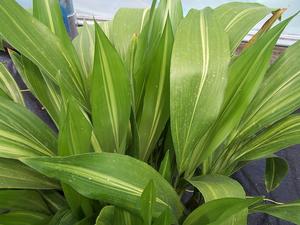
Akebono has leaves with a unique pattern of cream-colored stripes. It is a striking variety that adds a touch of elegance to any space.
Aspidistra Elatior ‘Lennon’s Song’
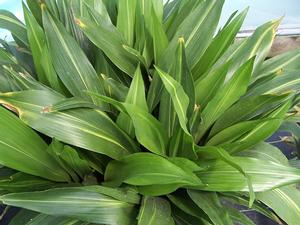
T hybrid, Lennon’s Song variety has broader leaves with a wavy edge, making it more textured. It is a popular choice for adding dimension to garden beds.
Aspidistra Elatior ‘Snow Cap’

Snow Cap has leaves with white edges, creating a beautiful contrast against the dark green foliage. It is a stunning variety that stands out in any setting.
Aspidistra Elatior ‘Silver Streak’

Silver Streak features leaves with silver-gray stripes, adding a touch of sophistication to any space. It is a popular choice for modern and contemporary gardens.
Aspidistra Elatior ‘Emerald Isle’

Emerald Isle has deep, rich green leaves, giving it a lush and vibrant appearance. It is a classic variety that complements any garden or indoor decor.
These varieties and hybrids offer a range of unique characteristics, allowing you to choose the perfect castiron plant for your specific preferences and design style.
Castiron Plant in the Home: Complementary Plants and Design Themes
Pair castiron plants with a variety of other plants to create stunning indoor and outdoor displays. Here are some complementary plants and design themes that work well with this plant:
- Tropical Oasis: Create a lush tropical oasis by pairing the castiron plant with other tropical plants such as ferns, clothes, and peace lilies. Add in some colorful orchids or bromeliads for a vibrant and exotic display.
- Zen Garden: The castiron plant’s resilience and low-maintenance nature make it a perfect choice for a Zen garden. Combine it with other low-light plants like snake and ZZ plants, and add some smooth stones and bamboo accents for a serene and calming atmosphere.
- Modern Minimalism: The plant’s glossy, dark green leaves make it an ideal choice for modern and minimalist design themes. Pair it with other sleek and architectural plants like sansevierias and aglaonemas. Keep the color palette simple and clean, focusing on shades of green and white.
- Woodland Retreat: Create a woodland retreat by combining the castiron plant with ferns, hostas, and other shade-loving plants. Add in some moss, rocks, and a small water feature to complete the natural and serene atmosphere.
Remember to consider the light and humidity requirements of the companion plants when creating your design. This one is versatile and complements a wide range of plants and design styles, so feel free to get creative and experiment with different combinations.
Embrace the Resilience and Beauty of the Castiron Plant
Cast iron plants are resilient and versatile, bringing beauty and practical benefits to any garden or indoor space. It is non-toxic and safe for humans and pets, making it a worry-free choice for households with furry friends. With its versatility and resilience, you can incorporate this plant into your garden and embrace its ability to thrive in challenging conditions. So, why wait? Bring one home and experience the joy of nurturing a plant that can withstand the test of time.