

Monstera Adansonii (mon-STAIR-uh ad-an-SON-ee-eye) is an attention-getting plant that has recently become a favorite among plant enthusiasts for its lovely leaf shape and minimal care requirements. In this guide, let’s explore the origin, care tips, and various uses of the “Swiss Cheese” plant.
- Monstera Adansonii Overview
- Where to Plant Monstera Adansonii: Indoors and Outdoors
- Monstera Adansonii Care: Watering, Fertilizing, and Essential Steps
- Monstera Adansonii Help: Signs, Pests, and Encouraging Growth
- Monstera Adansonii plants Safety and Uses
- Monstera Varieties: Popular Cultivars and Hybrids
- Monstera Adansonii in the Home: Complementary Plants and Design Themes
Monstera Adansonii Overview
The Monstera Adansonii is native to the tropical rainforests of Central and South America. It belongs to the Araceae family, which includes other popular houseplants like the Monstera Deliciosa and Philodendron.
“Monstera” comes from the Latin word “monstrum,” meaning monster, which refers to the plant’s large and distinctive leaves. “Adansonii” is named after the French botanist Michel Adanson, who significantly contributed to botany. However, the plant is known by several other names, including Swiss Cheese Vine, Monkey Mask, and Five Holes Plant, due to the unique holes and splits in its leaves.
The Monstera Adansonii is prized among plant lovers for its striking foliage and easy care requirements. Its leaves are heart-shaped, deeply lobed, and covered in intricate patterns of holes and splits. These unique leaf features add visual interest and serve a purpose in its natural habitat by allowing sunlight to filter through the dense rainforest canopy.
The swiss cheese vine is a climbing vine that can reach a mature height of around 10 feet (3 meters) when grown in ideal conditions. As houseplants, they look adorable trailing down from a hanging basket, and you can train them to climb a moss pole or trellis.
The Monstera Adansonii thrives in bright, indirect light but can tolerate lower light conditions. It prefers a well-draining potting mix and water when the top inch of soil feels dry. This plant enjoys higher humidity levels, so misting the leaves or placing a tray of water nearby can help create a more humid environment.
Where to Plant Monstera Adansonii: Indoors and Outdoors
The Monstera Adansonii can be a versatile plant, suitable for indoor and outdoor settings. Let’s explore the best conditions for this plant in each environment:
Indoors
Monstera Adansonii thrives in bright, indirect light. It can tolerate lower light conditions, but its growth may be slower, and the leaves may develop fewer splits and holes. Place your Monstera Adansonii near a window with filtered sunlight or a few feet away from a bright, sunny window.
The Monstera Adansonii prefers a warm and humid environment. It can tolerate average room temperatures ranging from 65°F to 85°F (18°C to 29°C). Avoid placing it in drafty areas or near heating or cooling vents, as sudden temperature fluctuations can stress the plant.
Good air circulation is essential to prevent moisture buildup and reduce the risk of fungal diseases. Avoid placing the plant in a stagnant or poorly ventilated area. You can increase humidity by misting the leaves regularly or placing a water tray near the plant. Alternatively, you can use a humidifier to create a more humid environment.
Outdoors
In suitable climates, the Monstera Adansonii can be grown outdoors, adding a touch of tropical beauty to gardens, patios, or balconies. It thrives in warm and humid conditions, similar to its native rainforest habitat.
If you live in a tropical or subtropical region, you can plant the Monstera Adansonii directly in the ground. Choose a location with partial shade or filtered sunlight, as direct sunlight can scorch the leaves. Ensure that the soil is well-draining and rich in organic matter.
For those in cooler climates, the Monstera Adansonii can be grown in containers and brought indoors during colder months. Place the plant in a sheltered spot outdoors during the warmer months, where it can receive bright, indirect light. When temperatures drop below 50°F (10°C), it’s time to bring the plant indoors to protect it from frost.
Monstera Adansonii Care: Watering, Fertilizing, and Essential Steps
Taking care of your Monstera Adansonii is relatively easy if you provide the right conditions and follow a few essential care steps. Let’s dive into the details:
- Watering: The Monstera Adansonii prefers to be kept slightly moist but not overly wet. Water the plant thoroughly when the top inch of soil feels dry to the touch. Ensure the pot has drainage holes to allow excess water to escape, as waterlogged roots can lead to root rot. Avoid letting the plant sit in standing water, which can cause root issues. During the winter months, when the plant’s growth slows down, reduce watering frequency.
- Fertilizing: To promote healthy growth and vibrant foliage, fertilize your Monstera every two to four weeks during the growing season (spring and summer). Use a balanced, water-soluble fertilizer diluted to half the recommended strength. Avoid over-fertilizing, as this can lead to salt buildup in the soil, harming the plant. During the winter months, when the plant is dormant, reduce or stop fertilizing.
- Pruning: Pruning is unnecessary for the swiss cheese plant, but it can help maintain its shape and encourage bushier growth. If you notice any yellowing or damaged leaves, trim them with clean, sharp scissors or pruning shears. You can trim excessively long or leggy vines to promote a more compact and lush appearance.
- Propagation:The Monstera Adansonii is relatively easy to propagate, making it a popular choice for plant enthusiasts. One common method is stem cuttings. Select a healthy stem with at least two nodes (where leaves emerge) and cut it just below a node. Place the cutting in a glass of water or a well-draining potting mix, ensuring that at least one node is submerged. Keep the cutting in a warm, humid environment and wait for roots to develop. Once the roots are established, you can transfer the cutting to a pot with soil.
- Cleaning the Leaves: Monstera leaves can accumulate dust over time, hindering their photosynthesize. Wipe the leaves gently with a damp cloth or use a soft brush to keep them clean and dust-free.
- Supporting Climbing Vines: If you want your Monstera Adansonii to climb, provide it with a moss pole or trellis for support. As the plant grows, gently guide the vines towards the support structure and use plant ties or soft twine to secure them in place.
- Rotating the Plant: To ensure even growth and prevent the plant from leaning towards the light source, turn it every few weeks. Regular rotation will help the leaves receive balanced light and maintain a more symmetrical appearance.
Monstera Adansonii Help: Signs, Pests, and Encouraging Growth
Taking care of your Monstera Adansonii involves being attentive to its needs and understanding the signs it gives when it requires help. Here are some common signs to watch out for:
- Signs of Overwatering: Yellowing or wilting leaves- Root rot or a foul odor coming from the soil- Mold or fungus growth on the soil surface- Leaf drop or yellowing that starts from the bottom of the plant
- Signs of Underwatering: Dry, crispy, or brown edges on the leaves- Drooping or wilting leaves- Slow growth or no new leaf development- Soil pulling away from the sides of the pot. If your Monstera shows signs of underwatering, increase your watering frequency and thoroughly moisten the soil during each watering session. However, be careful not to overcompensate and overwater the plant.
- Signs of Too Much Light: Pale or bleached leaves- Brown or scorched patches on the leaves- Leaf curling or wilting, especially during the hottest parts of the day. If your Monstera receives too much direct sunlight, move it to a spot with filtered or indirect light. You can also use sheer curtains or blinds to diffuse the light and protect the plant from intense rays.
- Signs of Too Little Light: Leggy or elongated growth- Smaller leaves or fewer splits and holes- Slow growth or no new leaf development. If your Monstera Adansonii is not receiving enough light, move it to a brighter location or provide supplemental artificial lighting, such as fluorescent or grow lights. Ensure the plant gets at least a few hours of indirect sunlight daily to maintain its health and vibrant foliage.
- Signs that it’s Time for Repotting Monstera Adansonii: Roots growing out of the drainage holes- Slow growth or stunted development- Water draining too quickly or not at all during watering- Soil becoming compacted or losing its ability to retain moistureIf you notice any of these signs, it’s time to repot your Monstera Adansonii. Choose a pot one size larger than the current one, with drainage holes. Use a well-draining potting mix and gently loosen the roots before placing the plant in its new home.
- Common Pests:The Monstera Adansonii is relatively resistant to pests but can occasionally attract mealybugs, spider mites, and aphids. Regularly inspect the plant for signs of pests, such as webbing, sticky residue, or tiny crawling insects. If you notice any pests, treat them with insecticidal soap or neem oil, following the instructions on the product label.
Monstera Adansonii plants Safety and Uses
When it comes to the safety of the Monstera Adansonii, there are a few critical factors to consider:
- Monstera Adansonii Toxicity: this plant considered toxic to both humans and animals. The plant contains calcium oxalate crystals, which can cause irritation and discomfort if ingested. Keeping the plant out of reach of children and pets is essential to prevent accidental ingestion. If any part of the plant is ingested, it may cause symptoms such as mouth and throat irritation, difficulty swallowing, and stomach upset. If you suspect ingestion, seek medical attention immediately.
- Skin Irritation: The sap of the Monstera Adansonii can also cause skin irritation in some individuals. It’s advisable to wear gloves when handling the plant, especially if you have sensitive skin. If you come into contact with the sap, wash the affected area with soap and water and avoid touching your face or eyes.
- Allergies:Some individuals may be allergic to Monstera Adansonii or other plants in the Araceae family. If you have a known allergy to plants such as Philodendron or Dieffenbachia, it’s best to exercise caution when handling or being near the Monstera Adansonii.
- Sharp Edges: The leaves of the Monstera Adansonii have natural splits and holes, which can create sharp edges. Be cautious when handling the plant to avoid accidental cuts or scratches.
By being aware of these safety considerations and taking necessary precautions, you can enjoy the beauty of the Monstera Adansonii while keeping yourself, your loved ones, and your pets safe.In the next section, we’ll explore the practical uses of the Monstera Adansonii and how it can enhance your garden or indoor space.
The Monstera Adansonii offers practical and aesthetic benefits, making it a versatile plant for various settings. Here are some of its uses:
Practical Uses:
- Air Purification: Like many other houseplants, the Monstera Adansonii helps improve indoor air quality by filtering out toxins and releasing oxygen. Its large, lush leaves efficiently absorb harmful pollutants, making it a valuable addition to any space.
- Privacy Screen: With its climbing vines and dense foliage, the Monstera Adansonii can be trained to create a natural privacy screen. Whether you want to block an unsightly view or create a secluded area in your garden, this plant can provide a beautiful and functional solution.
- Living Wall: Due to its climbing nature, the Monstera Adansonii can be used to create stunning living walls or vertical gardens. You can transform a plain wall into a lush, green masterpiece by attaching the vines to a trellis or wire frame.
- Indoor Decor: The Monstera Adansonii’s unique leaf shape and vibrant foliage make it a popular choice for interior decor. Whether placed on a shelf, in a macrame planter or displayed as a centerpiece, this plant adds a touch of natural beauty to any room.
Monstera Varieties: Popular Cultivars and Hybrids
The Monstera Adansonii is adored by plant people, leading to the development of various cultivars and hybrids. Here are ten of the most popular varieties:
Swiss Cheese Vine

This is the classic variety with iconic fenestrated leaves. It is known for its unique leaf shape and pattern, resembling Swiss cheese.With its deep red leaves and contrasting green veins, ‘Red Flash’ creates a dramatic and eye-catching display.
Variegata

This variety features stunning variegated leaves with creamy white or yellow splashes. It adds a touch of elegance and visual interest to any space.
Thai Constellation
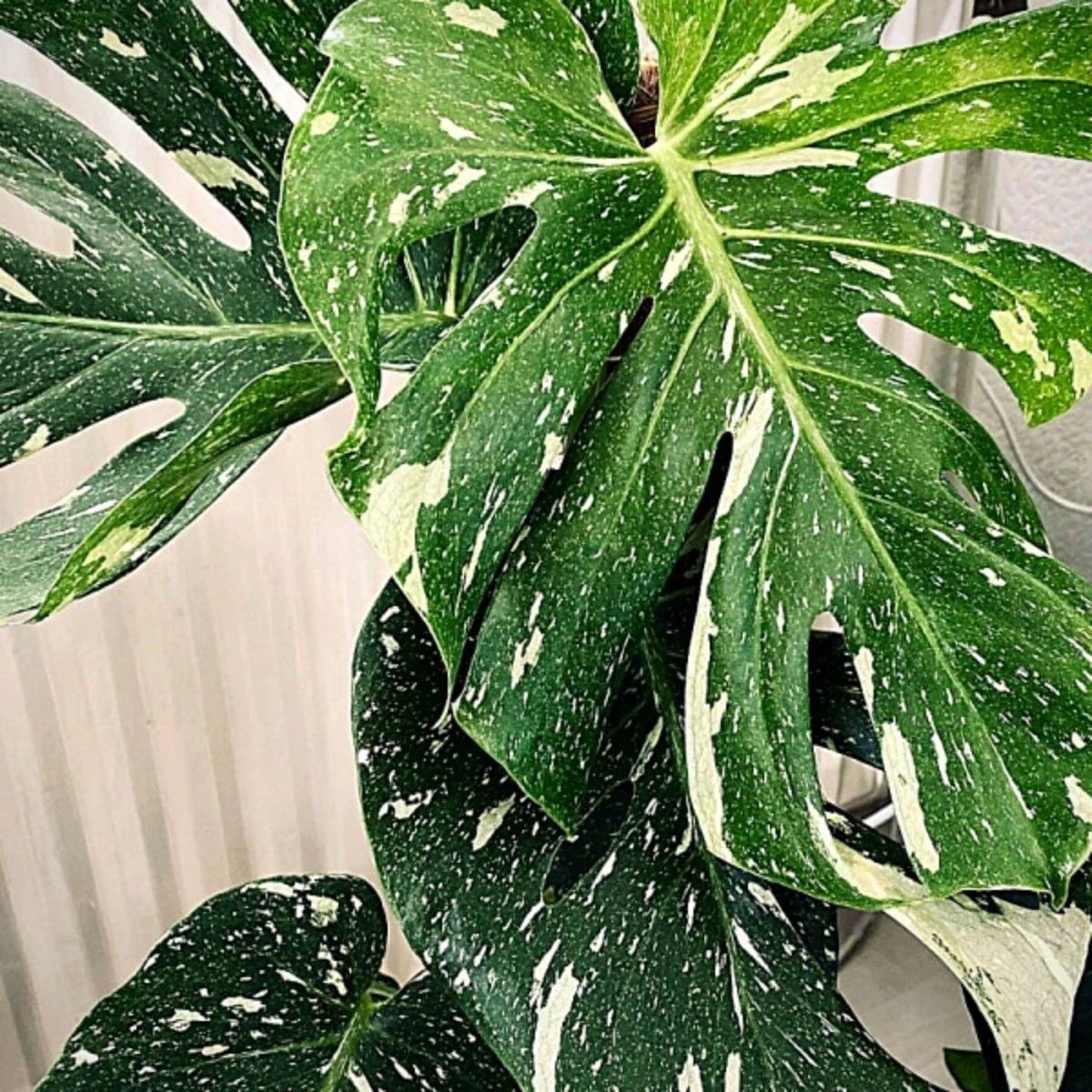
This cultivar showcases beautiful variegation, with creamy white splashes and light green speckles. It is highly sought after for its unique and eye-catching foliage.
Albo Variegata

This variety exhibits striking white variegation on its leaves, creating a bold and dramatic contrast against the deep green background.
Aurea

This cultivar features leaves with a vibrant golden hue. It adds a touch of warmth and radiance to any space, making it a standout choice for plant enthusiasts.
Laniata
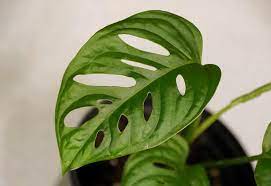
This variety has deeply serrated leaves, making it more intricate and textured. It adds a unique and artistic touch to any plant collection.
Wide Form

As the name suggests, this variety has broader leaves than the standard Monstera Adansonii. It creates a bolder and more substantial presence in any setting.
Borsigiana

This variety is a smaller, more compact version of the Monstera Adansonii. It is perfect for those with limited space or who prefer a more petite plant.
Giant Form

This cultivar lives up to its name, as it can reach impressive sizes with larger leaves than the standard variety. It creates a bold and majestic presence in any garden or indoor space.
It’s important to note that some of these varieties may be more challenging to find or may require specific care. However, they offer unique and captivating features that elevate your plant collection.
Monstera Adansonii in the Home: Complementary Plants and Design Themes
The Monstera Adansonii is a versatile plant that works with various design aesthetics and is best paired with complementary plants to create stunning indoor displays. Here are some ideas to inspire your home decor:
Complementary Plants
- Pothos: The trailing vines of Pothos plants complement the climbing nature of the Monstera Adansonii. Choose varieties with variegated leaves, such as Golden Pothos or Marble Queen Pothos, to add visual interest and contrast.
- Philodendron: Philodendrons, with their lush foliage and similar care requirements, make excellent companions for the Monstera Adansonii. Consider varieties like Heartleaf Philodendron or Xanadu Philodendron to create a lush and tropical display.
- Ferns: Ferns, such as Boston Fern or Bird’s Nest Fern, add a touch of elegance and softness to the Monstera Adansonii’s bold foliage. Their delicate fronds create a beautiful contrast and enhance the overall texture of the display.
- Snake Plant: Snake Plants’ upright and architectural form contrasts the Monstera Adansonii’s climbing vines. Choose varieties like Sansevieria trifasciata ‘Black Coral’ or Sansevieria cylindrica for a modern and sculptural look.
Design Themes
- Tropical Paradise: Embrace the Monstera Adansonii’s lush and exotic appearance by creating a tropical paradise in your home. Pair it with other tropical plants, such as Banana Plants or Bird of Paradise, and incorporate natural elements like rattan furniture and vibrant textiles to complete the look.
- Bohemian Oasis: The Monstera Adansonii’s trailing vines and unique leaf shape lend themselves well to bohemian-inspired decor. Hang it in a macrame planter, combine it with other trailing plants, and layer textiles in earthy tones and patterns to create a cozy and eclectic oasis.
- Modern Elegance: The variegated Monstera Adansonii’s bold foliage can be a statement piece in a modern and minimalist setting. Pair it with simple furniture, clean lines, and a monochromatic color scheme to create a sophisticated and contemporary look.
- Jungle Retreat: Create a lush and verdant jungle retreat by combining the Monstera Adansonii with other large-leafed plants like Elephant Ear or Swiss Cheese Plant (Monstera deliciosa). Add natural textures like rattan or bamboo furniture and incorporate vibrant colors to evoke a tropical paradise.
Monstera Adansonii is a captivating plant that adds a touch of elegance and tropical charm to most decor aesthetics. Its unique fenestrated leaves and climbing vines make it a favorite among plant enthusiasts and interior designers. Incorporating the Monstera Adansonii into your home decor opens up possibilities. Whether you prefer a tropical paradise, a bohemian oasis, a modern elegance, or a jungle retreat, this plant can be a versatile and stunning addition to any design theme.
Ready to add the Monstera Adansonii to your plant collection? Visit one of these online providers:
- https://www.theevergreennursery.com/monstera-adansonii.html
- https://gardinonursery.com/product/monstera-adansonii-swiss-cheese-vine/
- https://orangelakenursery.com/products/swiss-cheese-monstera-adansonii-wide-form
- https://www.familytreenursery.com/monstera-adansonii.html
- https://theflowerpotnursery.com/flowerpotnursery-swiss-cheese-vine-monstera-adansonii-4-pot/
- https://pistilsnursery.com/products/monstera-adansonii
- https://www.nurserykebunbandar.com/products/monstera-adansonii
- https://benevyfarms.com/shop/house-plants/monsterra-adansonii-swiss-cheese-plant/
- https://unitednursery.com/products/adansonii-totem